Celebrating Our—and the Universe’s—Powers of Creativity
Yesterday we meditated on our divinization expressing itself in creativity and birthing. Other people striving to be more human have waxed eloquent about the same realities.

Yesterday we meditated on our divinization expressing itself in creativity and birthing. Other people striving to be more human have waxed eloquent about the same realities.

We have been meditating lately on the cosmos and on divinization, and how near we are to the divine every day. The breath we breathe after

We are considering the teaching from Eastern Christianity naming redemption as theosis, the divinizing of the universe. The emphasis is not on our individual souls so

Yesterday we considered St. Augustine’s role in establishing the introspective conscience of the West at the expense of the idea of divinization as taught in Eastern Christianity.

Frederick Turner, in his important study of the history of the Americas from the point of view of Native Americans, Beyond Geography, points out that ours
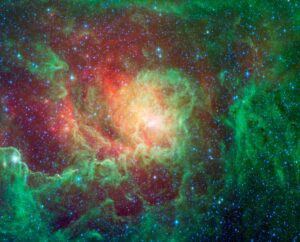
The ancient Christian hymn from Philippians celebrates the rejoicing of the entire cosmos: “All beings in the heavens, on earth and in the underworld,” reverence

Not only the Eastern religions Marcel refers to, but also Earth-based religions of the West, such as ancient Native American traditions and modern nature-mystic faiths

Not only Thomas Aquinas, but Eastern mystics too call us to wisdom by way cosmic awareness. French philosopher Gabriel Marcel finds a necessary connection between cosmos
Aquinas, like most indigenous and pre-modern thinkers, and unlike the human-centered philosophers of the modern and industrial era, begins his philosophy with the universe. Our
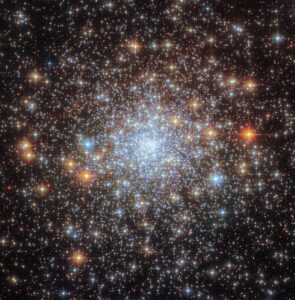
In yesterday’s DM we spoke of reintroducing a sense of the cosmos. To say that we need to “reintroduce” is to say that we have lost the